Contents
Overview of Chitré
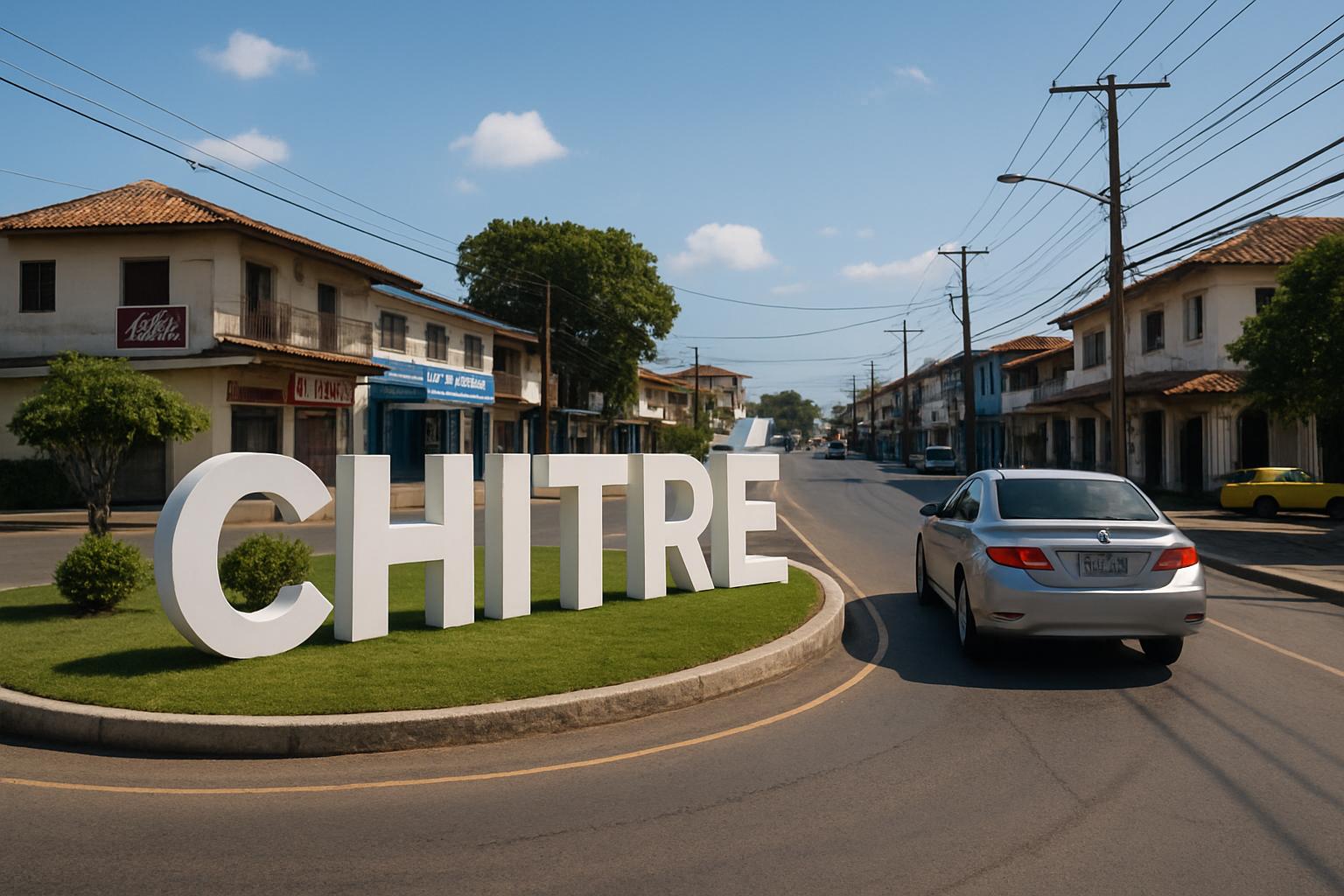
Chitré is a city nestled in the Azuero Peninsula of Panama, recognized for its lively culture and notable historical significance. As the capital of the Herrera Province, it stands as a focal point for commerce, agriculture, and transportation within the region.
Geographical Setting
Positioned near the Gulf of Parita, Chitré benefits from a strategic location that has, over the years, promoted trade and agriculture. The city’s climate is predominantly tropical, featuring distinct dry and wet seasons. These seasons play a crucial role in determining local weather conditions and influencing agricultural schedules and yields.
Cultural Significance
Chitré takes pride in its cultural festivities, which spotlight traditional Panamanian music, dance, and attire. It serves as a nucleus for regional celebrations such as the illustrious Carnival, drawing attendees from nationwide and the international community. These celebrations highlight the city’s rich cultural mosaic and its commitment to maintaining age-old traditions.
Historical Context
Founded in 1848, Chitré has been vital in the history of the Azuero Peninsula. Its growth was initially driven by trade and agriculture, with sugar cane production and cattle ranching forming the backbone of the local economy. In the present day, Chitré’s historical landmarks, including the Iglesia de San Juan Bautista, are a reflection of the city’s enduring legacy and historical character.
Impact of Earthquakes
While Chitré is not located within Panama’s most active seismic zones, it has experienced the effects of earthquakes originating from nearby regions. The tectonic activity in the broader Central American area occasionally sends tremors across the Azuero Peninsula. The city has imposed building regulations to ensure infrastructure resilience, learning from past experiences to mitigate potential damage. These precautions have been crucial in maintaining the city’s growth trajectory and ensuring the safety of its residents.
Economy and Infrastructure
Chitré showcases a multifaceted economy, harmonizing agriculture, commerce, and service industries. The production of sugar cane, rice, and other agricultural commodities dominate the region, with the city’s markets acting as conduits for these goods. Its economic activities are supported by well-developed transportation networks and facilities. As the city continues to expand, infrastructure advancements have matched its economic growth, further solidifying Chitré’s position as an essential economic hub.
Education and Institutions
Chitré hosts a variety of educational institutions offering primary, secondary, and higher education. The schooling system here emphasizes a blend of academic learning and practical skill development, equipping students for diverse career opportunities. Additionally, the presence of technical schools and vocational training centers contributes to the local economy by nurturing a skilled labor force ready to meet the demands of the region’s various industries.
Visiting Chitré
Tourists journeying to Chitré can enjoy a fusion of natural allure and cultural attractions. The surrounding areas present outdoor activities such as hiking, bird watching, and wildlife exploration. In addition, the city’s bustling markets and local artisans offer insights into traditional crafts and the gastronomic pleasures of the region.
For additional information about planning a visit to Chitré, you may refer to resources dedicated to exploring tourism in Panama and uncover the myriad experiences this vibrant city promises.
As Chitré continues to progress, it remains a testament to the harmonious interplay between preserving cultural heritage and embracing modern development. From its rich historical underpinnings to its contemporary economic and educational endeavors, Chitré exemplifies a city that honors its past while ambitiously moving toward the future. Its ability to adapt, particularly in terms of infrastructural resilience, ensures that it will remain a vital player in Panama’s regional landscape for years to come.