Contents
Overview of Santiago de Veraguas
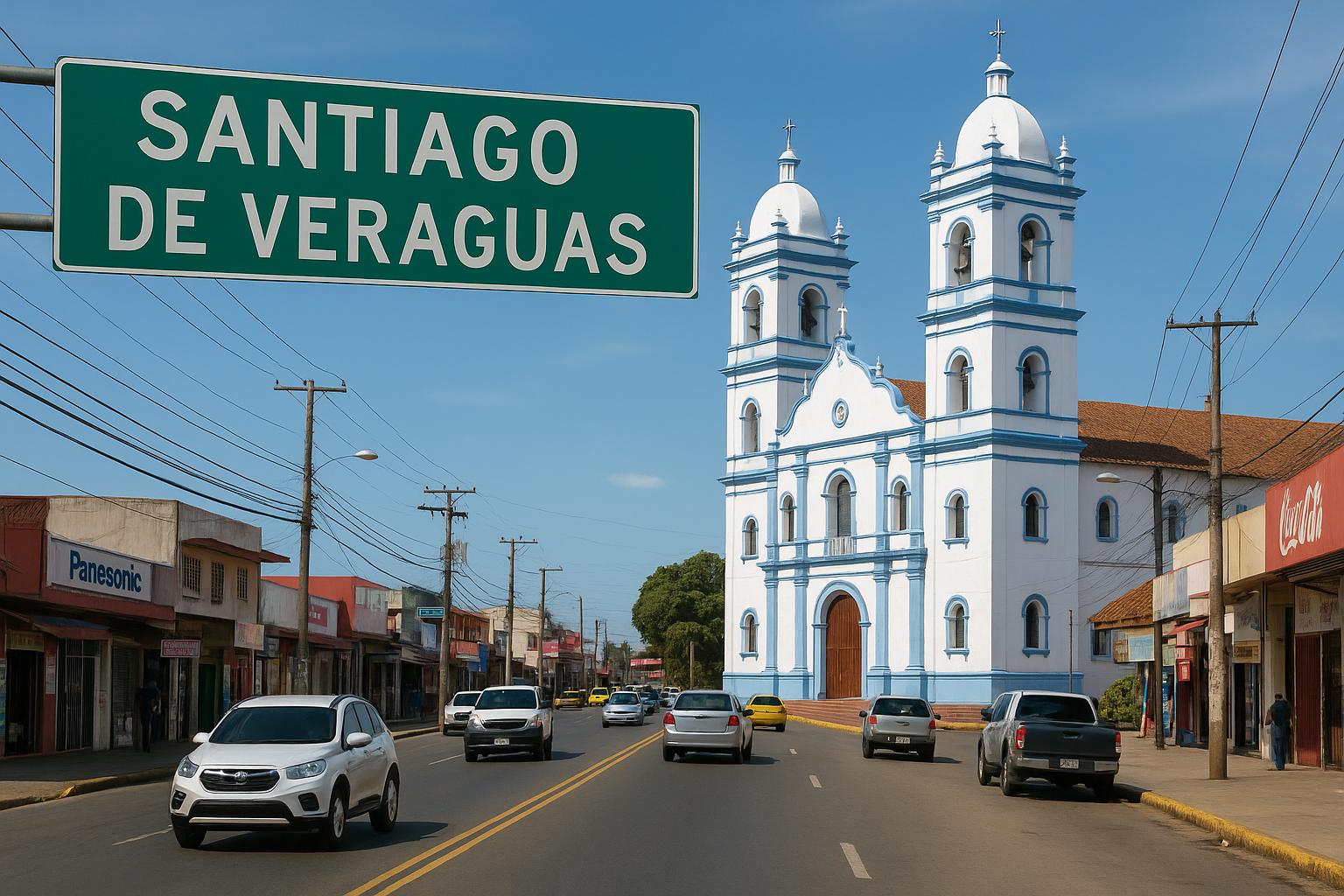
Santiago de Veraguas, commonly referred to simply as Santiago, is the capital of the Veraguas Province in Panama. Located in the western part of the country, Santiago serves as a major urban center with a rich history and a vibrant culture.
Geographical Location
Santiago is situated in the lowland region of Panama and lies along the Pan-American Highway. This strategic location makes it an accessible destination for both travelers and traders alike. The city is surrounded by lush landscapes, including the Pacific Ocean to the south and mountainous regions to the north. The geographical position of Santiago not only contributes to its accessibility but also enriches its natural attractions, offering a blend of cultural intrigue and natural splendor.
Historical Background
Founded in 1621, Santiago is one of the older settlements in Panama. The city has a storied past, encompassing colonial history and influence. Over the years, Santiago has developed from a small colonial town into a bustling urban center, all while retaining elements of its historical charm. The influence of Spanish colonization is evident in Santiago’s architecture, traditions, and urban layout. As visitors stroll through the city, they can witness the elegant blend of ancient structures and modern advancements, which stand as a testament to its historical journey.
Economic Activities
Santiago de Veraguas plays a pivotal role in the economy of the Veraguas Province. It serves as a commercial hub with a balanced mix of agriculture, retail, and services. The fertile lands around the city support farming activities, including the cultivation of rice, corn, and dairy farming. Additionally, Santiago’s markets are known for selling local artisan products and traditional Panamanian crafts. Beyond agriculture, the city has seen growth in retail and service sectors, with local businesses and national chains providing a variety of goods and services, catering to both locals and visitors.
Cultural Significance
The city boasts a rich cultural landscape, with various local festivals and traditions. The Saint James (Santiago) Festival is among the most celebrated events, marked by parades, dances, and religious ceremonies. For those interested in local history, the Museum of Santiago offers insights into the region’s past, housing artifacts that span the pre-colonial, colonial, and modern periods. The cultural vibrancy of Santiago is further enhanced by the presence of numerous local musicians, artists, and performers who perpetuate cultural narratives through their crafts. Local cuisine, characterized by a fusion of indigenous and Spanish influences, also plays a significant role in defining the city’s cultural identity.
Tourism and Attractions
Visitors to Santiago can enjoy various attractions, from historical sites to natural beauty. Notable places include the Iglesia Catedral Santiago Apóstol, a significant religious site with colonial architecture. Nature enthusiasts can explore nearby natural attractions, such as the Santa Fe National Park, which offers hiking and bird-watching opportunities. Santiago serves as a gateway for those looking to explore the nearby beaches of the Pacific coast. Tourists are often enamored by these coastal regions for their serene beauty and recreational opportunities, such as surfing and fishing.
Transportation
Given its location along the Pan-American Highway, Santiago is well-connected, providing easy access to other major cities in Panama, such as Panama City and David. The city also has a local airport, serving domestic flights, and a reliable network of buses and taxis for inner-city travel. This robust transportation infrastructure not only facilitates the movement of goods and people but also fosters economic activities and cultural exchanges with other regions. The convenience offered by Santiago’s transportation network enhances its attractiveness as a travel destination and a commercial hub.
Educational Institutions
Santiago is home to several educational institutions, including the regional campus of the University of Panama. This institution offers diverse academic programs, supporting the educational needs of the region’s young population. In addition to higher education, there are numerous primary and secondary schools, both public and private, that provide quality education, contributing to the development of a well-informed and skilled populace.
Healthcare Facilities
Healthcare services in Santiago are adequate, with several clinics and the main hospital, Hospital Luis Chicho Fábrega, providing comprehensive medical care to residents and visitors alike. The healthcare system in Santiago is equipped to handle various medical needs, and ongoing improvements aim to enhance the quality and accessibility of medical services for the community.
Impact of Earthquakes
Santiago de Veraguas, like many regions in Panama, has experienced the effects of seismic activities due to its geographical positioning along tectonic plates. While not frequent, earthquakes have occurred in this region, serving as a reminder of the natural forces that shape the area. The city’s infrastructure has shown resilience over the years, with buildings and public amenities designed to withstand such natural disasters. Efforts have been made to educate the population about emergency response and preparedness, ensuring a community that is informed and ready to act in the event of an earthquake. These measures are a testament to the city’s commitment to safeguarding its residents and preserving its cultural and historical landmarks.
Conclusion
Santiago de Veraguas is a vibrant city blending history, culture, and modernity. Whether you’re a history buff, nature lover, or on a culinary adventure, Santiago offers a rich tapestry of experiences. The city’s ability to harmonize its historical roots with contemporary advancements creates a dynamic environment for both residents and visitors. Though no place is immune to natural challenges, Santiago’s preparedness and resilience contribute to its enduring charm and vitality. For more travel information on Panama, you can visit Panama Travel for comprehensive resources.