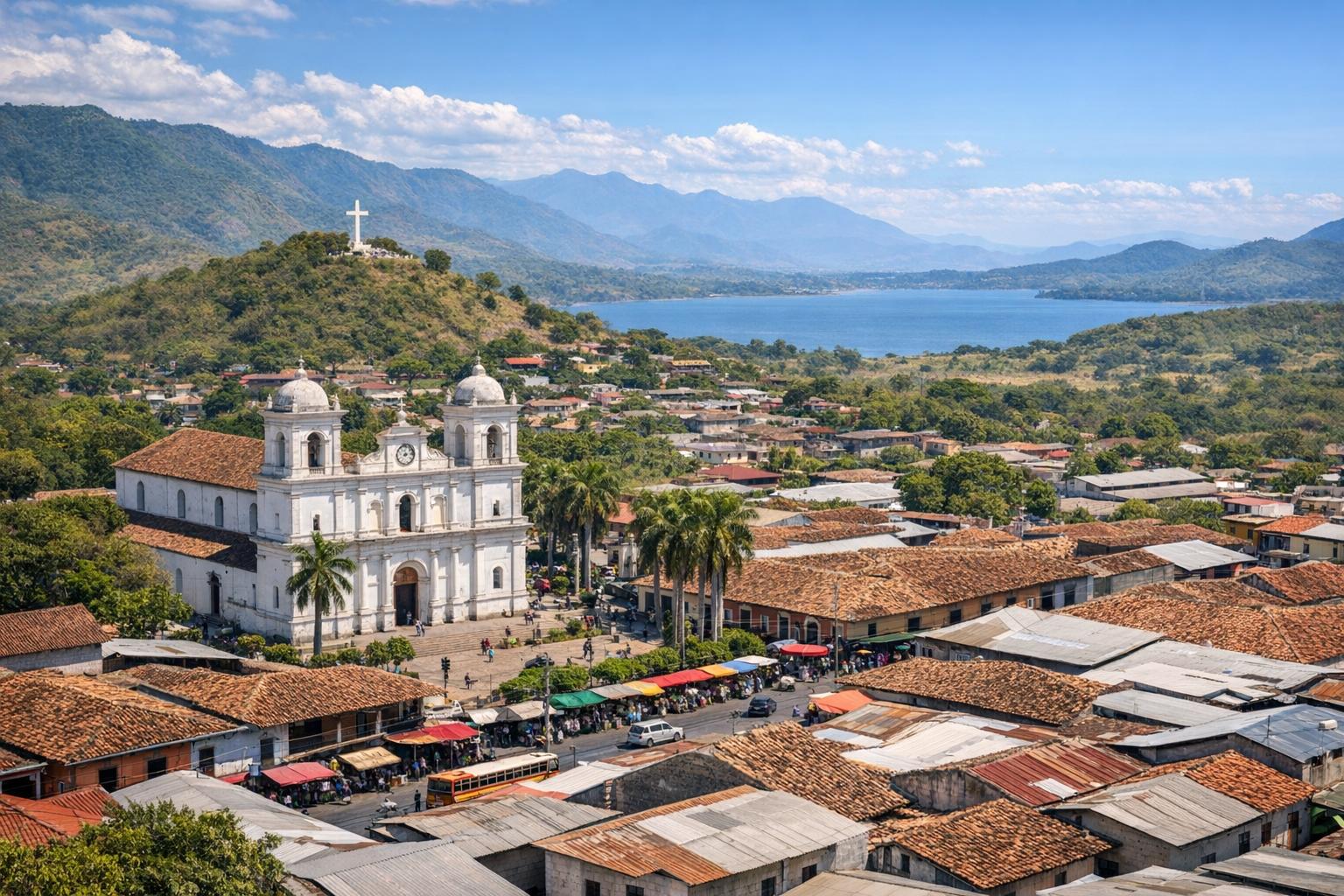
Overview of Metapán
Located in the northern region of El Salvador, Metapán is a municipality situated in the Santa Ana department. It holds notable historical, economic, and environmental importance within the country. Positioned near the borders of Guatemala and Honduras, Metapán serves as a strategic gateway for regional interaction and trade. Its geographic location has contributed not only to economic activity but also to cultural exchange, making it a distinctive urban center in El Salvador.
The population of Metapán reflects a combination of indigenous and mestizo heritage, creating a social fabric that is both diverse and historically grounded. Over time, this blend of identities has shaped local customs, language patterns, and community organization. The municipality is also known for its relatively strong local identity, with residents often maintaining close ties to traditional practices while engaging in modern economic activities.
Historical Background
Metapán’s history extends back to pre-Columbian times, when the region was inhabited primarily by the Lenca people. These indigenous communities developed agricultural systems and social structures adapted to the mountainous and fertile terrain. Archaeological findings in and around Metapán provide evidence of early settlement patterns, trade networks, and ceremonial practices.
With the arrival of Spanish colonizers in the 16th century, the region underwent significant transformation. Colonial authorities reorganized indigenous settlements, introduced new agricultural methods, and established religious institutions. Metapán was officially recognized as a town during this period, gradually becoming integrated into the colonial economy.
Throughout the colonial and post-independence eras, Metapán maintained its role as an agricultural hub. Crops such as maize, beans, and later coffee contributed to the local economy, while cattle raising became increasingly important. During the 19th and early 20th centuries, infrastructural developments, including roads and trade routes, further connected Metapán to other parts of El Salvador and neighboring countries.
In the modern era, the municipality has continued to evolve, balancing historical continuity with economic and social change. Its historical architecture, including churches and civic buildings, reflects a layered past that remains visible in the urban landscape.
Economic Significance
The economy of Metapán is rooted in a combination of agriculture, animal husbandry, and industrial production. Agriculture continues to play an important role, with local farmers producing staple crops and engaging in small-scale commercial farming. Cattle raising contributes to both local consumption and broader markets.
One of the defining features of Metapán’s economy is its involvement in cement production. The availability of limestone and other raw materials has enabled the development of a large-scale cement industry, making the municipality a central contributor to El Salvador’s construction sector. This industrial specialization distinguishes Metapán from many other municipalities that rely more heavily on agriculture alone.
Trade is also an important component of economic life. Due to its proximity to international borders, Metapán functions as a point of transit for goods moving between El Salvador, Guatemala, and Honduras. This cross-border activity supports local businesses and creates opportunities in transportation, retail, and services.
Industrial Development
The cement industry in Metapán represents one of the most significant examples of industrial development in the region. The presence of large cement plants has generated employment and contributed to infrastructure development. These facilities supply materials for construction projects across El Salvador, reinforcing the municipality’s strategic economic importance.
However, industrial activity has also introduced challenges. Environmental concerns, particularly related to air quality, land use, and water resources, have prompted discussions about sustainable practices. Local authorities and industry stakeholders have increasingly emphasized the need for balance between economic growth and environmental protection.
Efforts to modernize industrial processes have included investments in cleaner technologies and more efficient production methods. While progress has been made, ongoing attention is required to ensure that economic benefits do not come at the expense of environmental degradation.
Cultural Aspects
Cultural life in Metapán reflects a synthesis of indigenous traditions and colonial influences. Daily life is shaped by customs passed down through generations, including culinary practices, artisanal crafts, and community rituals. Markets and public spaces serve as centers of interaction where cultural expression is visible and continually reinforced.
Artisan production remains an important element of local culture. Handcrafted goods, including textiles and pottery, are often created using traditional methods. These items not only serve practical purposes but also represent cultural continuity and identity.
Music and dance also play a role in community life, particularly during festivals and public celebrations. These cultural expressions often incorporate both indigenous elements and influences introduced during the colonial period, illustrating the layered nature of Metapán’s heritage.
Religious and Traditional Celebrations
Religious observances are central to cultural identity in Metapán. Among the most prominent events are the celebrations dedicated to Saint Peter and Saint Paul. These festivities include processions, church services, and communal gatherings that bring together residents from various neighborhoods.
Such events serve multiple purposes. In addition to their religious significance, they function as occasions for social cohesion and cultural reaffirmation. Public spaces are transformed during these celebrations, with music, food, and traditional activities contributing to a shared sense of community.
Other local festivals and fairs highlight agricultural cycles and artisan production. These events often attract visitors from surrounding areas, reinforcing Metapán’s role as a regional cultural center.
Environmental Features
Metapán is characterized by a varied landscape that includes mountains, valleys, and water bodies. This geographical diversity supports a wide range of ecosystems and contributes to the municipality’s environmental significance. The region’s natural features also influence economic activities, particularly agriculture and tourism.
One notable feature is Lake Güija, located near Metapán. This lake is one of the largest in El Salvador and serves as an important ecological and economic resource. It supports fishing activities and provides habitat for various species of birds and aquatic life.
The surrounding mountainous terrain contributes to climatic variation within the municipality. These differences in elevation and temperature affect agricultural practices and biodiversity, creating distinct ecological zones within a relatively limited area.
Ecological Importance
Efforts to preserve the natural environment in Metapán have focused on maintaining protected areas and promoting sustainable land use. Conservation initiatives aim to safeguard biodiversity while allowing for responsible economic development.
Local organizations and governmental bodies have implemented programs to protect forests, المياه sources, and wildlife habitats. These initiatives are often supported by educational campaigns that encourage community participation in environmental stewardship.
Additional information about environmental programs and conservation efforts can be accessed through government resources and tourism platforms, which provide updates on sustainability projects and eco-tourism opportunities.
Seismic Activity and Earthquake Impact
Metapán, like much of El Salvador, is located in a seismically active region. The country lies along the Pacific Ring of Fire, making it susceptible to earthquakes resulting from tectonic plate interactions. As a result, the municipality has experienced the effects of seismic events throughout its history.
Earthquakes have periodically impacted infrastructure, housing, and public services in Metapán. While the municipality has not always been at the epicenter of major seismic events, tremors originating in other parts of the country have still produced noticeable effects. Buildings constructed without modern engineering standards have been particularly vulnerable to damage.
The earthquakes of 2001, which affected large portions of El Salvador, had indirect consequences for Metapán. Although damage in the municipality was less severe than in other regions, the events highlighted the importance of preparedness and resilient construction practices. In response, local authorities and national agencies have promoted updated building codes designed to reduce structural vulnerability.
Seismic activity has also influenced urban planning and risk management strategies. Efforts to improve emergency response systems, public awareness, and infrastructure resilience have become increasingly important. Schools, hospitals, and public buildings are now more likely to be constructed or reinforced with earthquake-resistant techniques.
In addition to structural concerns, earthquakes can affect the natural environment in Metapán. Landslides in mountainous areas and changes in water systems are potential secondary effects. These environmental impacts require ongoing monitoring and mitigation to protect both communities and ecosystems.
While earthquakes remain an ongoing risk, the adoption of improved construction standards and disaster preparedness measures has enhanced the municipality’s capacity to respond to such events. Continued investment in these areas remains essential for minimizing future impacts.
Contemporary Developments
In recent years, Metapán has experienced gradual modernization. Improvements in infrastructure, including road networks and public utilities, have enhanced connectivity and quality of life. Educational institutions and healthcare services have also expanded, contributing to human development within the municipality.
At the same time, challenges persist. Balancing industrial growth with environmental sustainability, addressing socioeconomic disparities, and managing natural risks such as earthquakes require coordinated efforts from local authorities, businesses, and communities.
Metapán’s position as both an economic and cultural center ensures that it will continue to play a significant role in the region. Its ability to adapt to changing conditions while preserving its historical and environmental assets will shape its future trajectory.